October 23, 2026
A fireplace can make a home feel warm and inviting, but the chimney connected to it requires regular attention to remain safe and functional. While homeowners may notice visible soot, unusual odors, or smoke entering a room, many chimney problems develop in areas that are difficult to inspect without specialized equipment. Creosote accumulation, damaged masonry, ventilation restrictions, and moisture intrusion can remain hidden until they cause noticeable complications. A professional chimney sweeping service can help identify these concerns while removing deposits that interfere with proper chimney operation. Understanding what trained technicians look for during an inspection can help homeowners recognize the importance of routine maintenance.
1. Identifying Hidden Creosote Accumulation
Burning wood produces smoke containing gases, particles, and other combustion byproducts. As these materials travel through the chimney, some can condense along the interior surfaces and form creosote. This substance may appear as flaky soot, hardened deposits, or a shiny, tar-like coating. Although homeowners can sometimes see buildup near the fireplace opening, deposits farther inside the flue are much harder to recognize. Excessive creosote accumulation is concerning because it is combustible and can increase the risk of chimney fires.
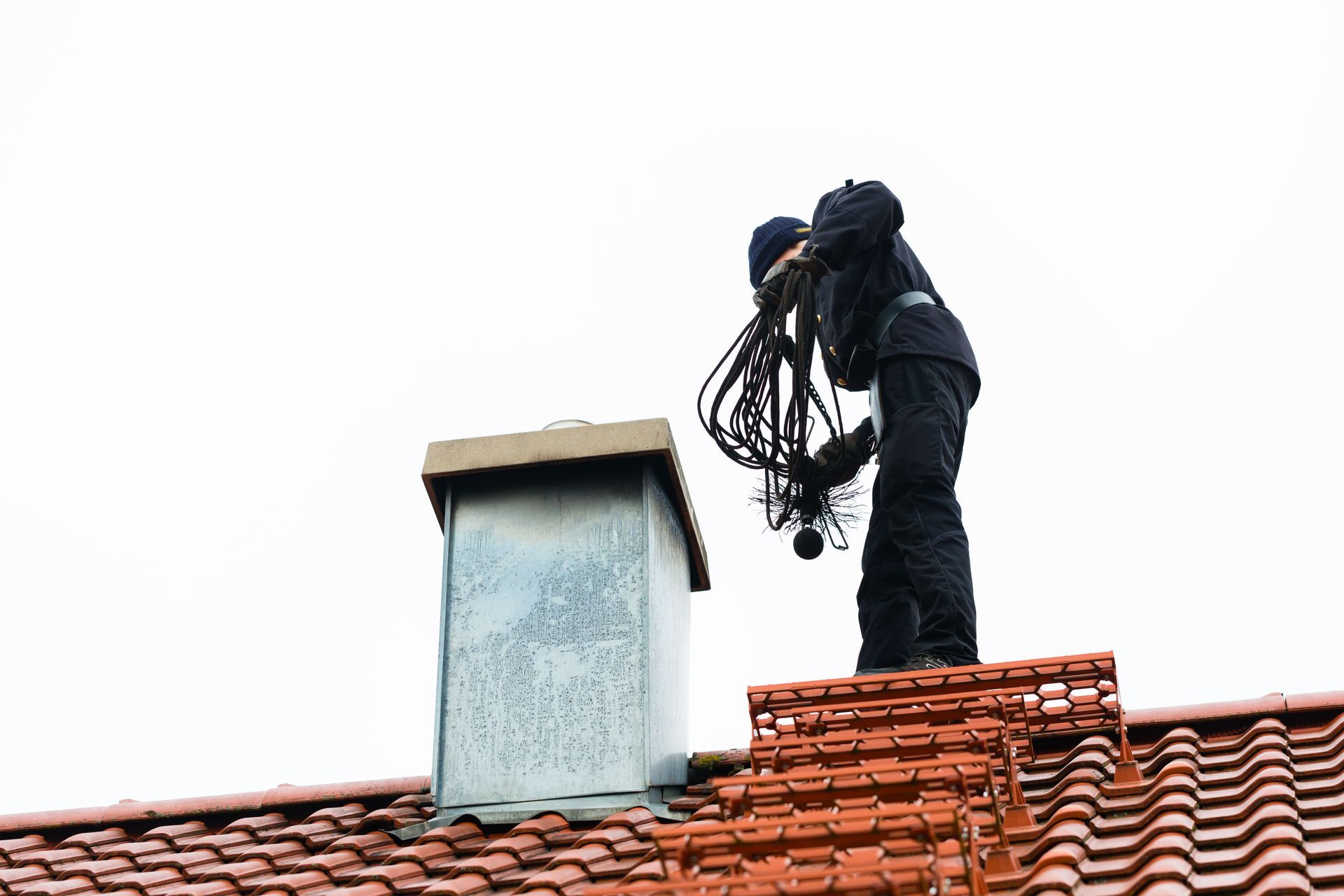
A chimney sweeping service uses specialized brushes and cleaning equipment to remove accessible deposits from the flue. During this process, technicians can evaluate the amount and condition of the buildup and identify areas requiring additional attention. Heavy deposits may indicate incomplete combustion, restricted airflow, or operating practices that encourage creosote formation. Recognizing these conditions helps homeowners understand whether adjustments to fireplace use or additional maintenance may be necessary. Regular cleaning can reduce combustible deposits and support safer chimney operation.
2. Detecting Cracks and Deteriorating Masonry
Chimneys are exposed to changing temperatures, precipitation, wind, and seasonal weather conditions. Over time, these factors can contribute to deterioration in bricks, mortar joints, and other masonry components. Small cracks may develop along the chimney exterior, while hidden damage can occur within the structure. Homeowners may overlook these problems because they are difficult to see from the ground or appear insignificant. However, damaged masonry can allow moisture to enter and may gradually weaken portions of the chimney.
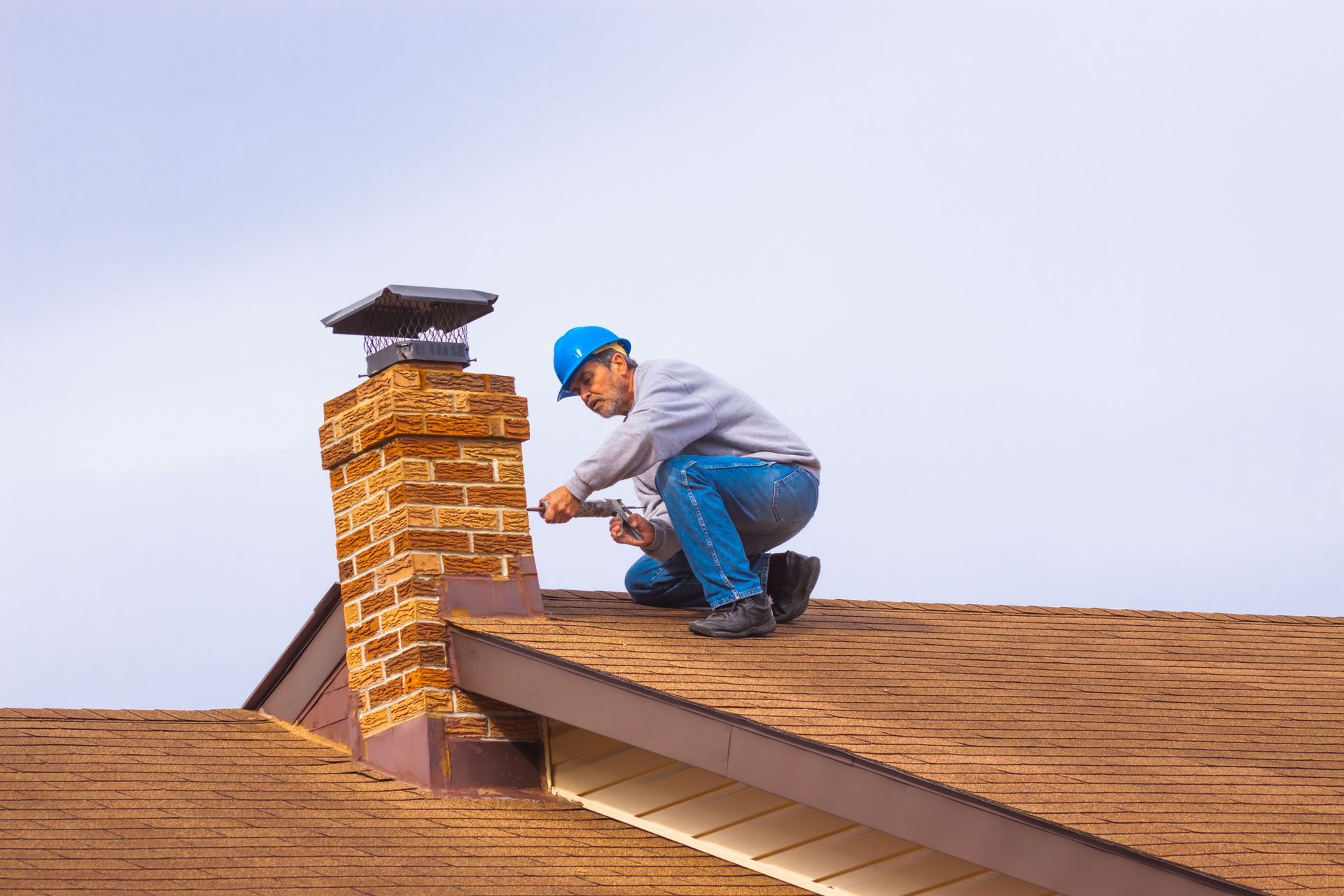
Professional technicians can examine accessible masonry surfaces for cracking, loose mortar, spalling bricks, and other signs of deterioration. They may also identify areas where previous repairs have failed or where water exposure has affected surrounding materials. Detecting these problems early allows homeowners to consider appropriate repairs before deterioration becomes more extensive. Depending on the chimney's condition, recommended work may include repointing mortar joints, replacing damaged bricks, or addressing structural concerns. A thorough evaluation helps determine which improvements are necessary.
3. Discovering Blockages and Animal Activity
Chimney openings can attract birds, squirrels, and other small animals seeking shelter. Nests, leaves, twigs, and other debris may accumulate inside the flue, particularly when a chimney cap is missing or damaged. These obstructions can restrict airflow and interfere with the proper release of combustion gases. Homeowners may not realize that an animal has entered the chimney until they hear scratching noises, notice unusual odors, or experience smoke entering the living space.
A chimney sweeping service can identify accessible blockages and determine whether debris or animal activity is affecting the flue. Technicians may use inspection equipment to examine areas that cannot be seen from the fireplace opening. Removing obstructions helps restore a clearer passage for smoke and combustion gases. If animals are present, appropriate wildlife removal procedures may be necessary before cleaning continues. Installing or repairing a suitable chimney cap can also help reduce future animal entry and prevent debris from collecting inside the chimney.
4. Recognizing Damaged Chimney Liners
Chimney liners help contain combustion byproducts and protect surrounding building materials from excessive heat and corrosive substances. Depending on the chimney, liners may be constructed from clay tiles, stainless steel, or other approved materials. Repeated heating and cooling, moisture exposure, and aging can contribute to cracks, gaps, or deterioration. These problems may remain hidden because the liner is located inside the chimney. A damaged liner can compromise the chimney's ability to contain heat and combustion gases properly.
During an appropriate inspection, technicians may examine accessible liner surfaces or use specialized cameras to evaluate internal conditions. They can look for cracked tiles, separated joints, missing sections, and other visible defects. According to This Old House, one of the primary advantages of hiring professional chimney sweeps is their ability to clean chimneys and identify potential issues that homeowners may not notice. When liner damage is discovered, further evaluation can help determine whether repairs or replacement are necessary. Addressing these problems helps protect surrounding building materials.
5. Uncovering Moisture Intrusion and Water Damage
Water is a common source of chimney deterioration because masonry materials can absorb moisture over time. Rainwater may enter through damaged chimney crowns, deteriorated flashing, missing caps, or cracked mortar joints. Once moisture enters the structure, it can contribute to staining, rust, weakened masonry, and damage to nearby interior finishes. Homeowners sometimes notice water stains around the fireplace without realizing that the chimney is responsible. Other moisture problems remain concealed until deterioration becomes more noticeable.
A chimney sweeping service may identify visible evidence of water intrusion during routine maintenance. Technicians can look for rusted components, damp deposits, staining, and deteriorating materials that suggest moisture exposure. These observations may indicate the need for a closer examination of the chimney crown, flashing, or exterior masonry. Addressing the source of water entry can help prevent recurring damage. Depending on the findings, homeowners may need masonry repairs, flashing improvements, or other weatherproofing measures to protect the chimney and surrounding structure.
6. Evaluating Draft and Ventilation Problems
A chimney relies on proper airflow to carry smoke and combustion gases away from the living space. When draft conditions are inadequate, smoke may enter the room, fires may burn poorly, or unusual odors may develop. Several factors can contribute to ventilation problems, including flue obstructions, chimney height, appliance conditions, and pressure differences inside the home. Homeowners may assume that occasional smoke problems are normal without recognizing that they could indicate an underlying ventilation concern.
Professional chimney maintenance can help reveal conditions that interfere with proper airflow. Technicians may identify obstructions, excessive deposits, or visible defects that affect the chimney's ability to vent combustion gases. A chimney sweeping service can also help homeowners understand when additional draft testing or appliance evaluation may be appropriate. Because ventilation problems can involve multiple systems, identifying the exact cause may require further assessment. Correcting these issues can support more consistent fireplace operation and reduce the likelihood of smoke entering occupied rooms.
7. Examining Chimney Caps, Crowns, and Flashing
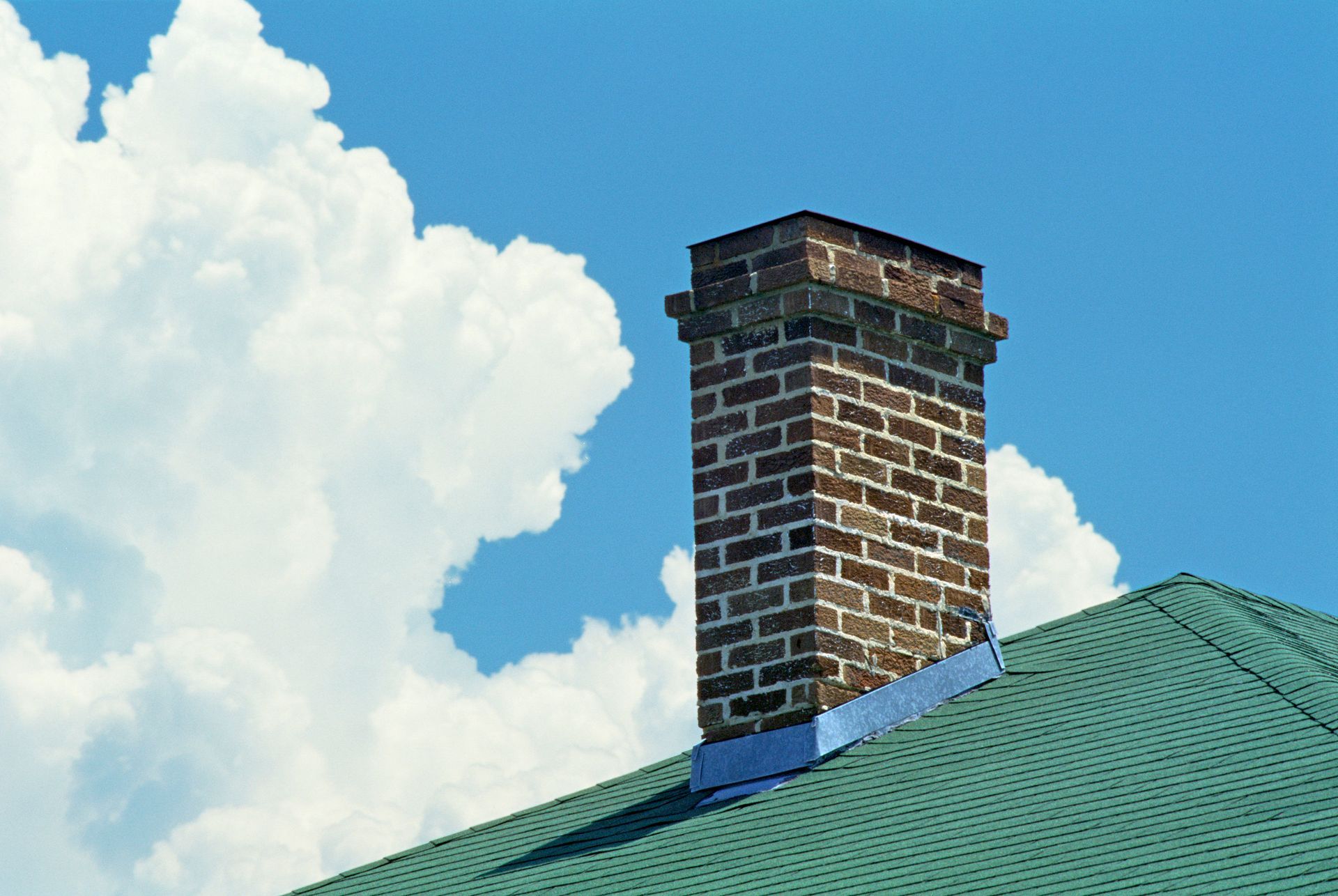
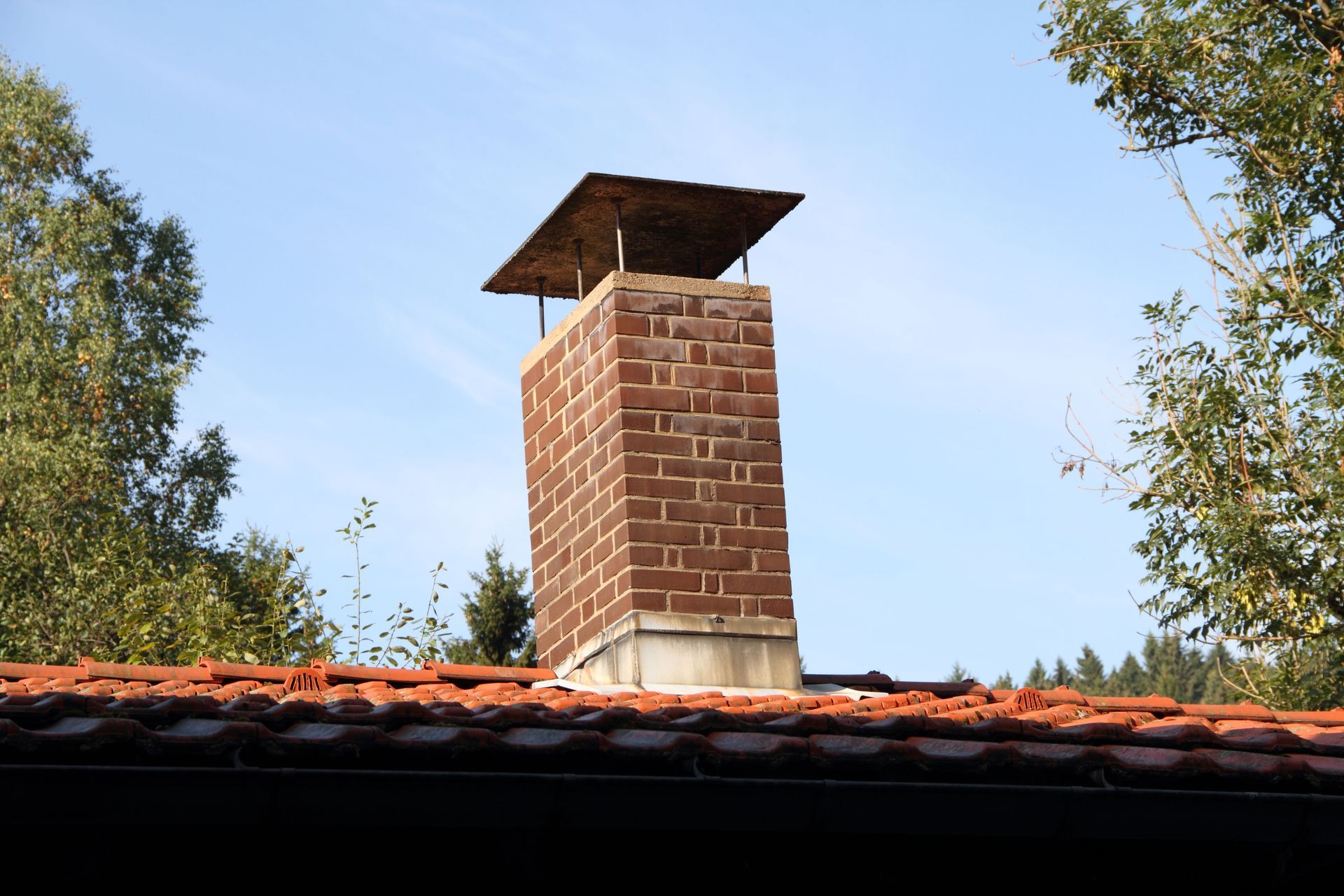
The exterior components of a chimney play important roles in protecting the structure from weather and debris. Chimney caps help limit the entry of rain, animals, and leaves, while crowns direct water away from the upper masonry. Flashing creates a protective connection where the chimney passes through the roof. When these components become damaged, loose, or improperly installed, water can enter vulnerable areas. Problems may develop gradually and remain unnoticed because homeowners rarely inspect the roofline closely.
A professional chimney sweeping service may identify visible damage involving these protective components during an inspection. Missing caps, cracked crowns, rusted flashing, and deteriorating seals can indicate areas requiring attention. Technicians can explain how these conditions may affect chimney performance and recommend further evaluation or repairs when appropriate. Maintaining exterior components helps limit moisture exposure and reduces opportunities for debris to enter the flue.
Chimney problems are not always visible from the fireplace or the ground outside. Creosote deposits, deteriorating masonry, damaged liners, animal nests, moisture intrusion, and ventilation restrictions can develop without obvious warning signs. Professional chimney maintenance helps uncover these concerns and provides homeowners with information needed to make appropriate repair decisions. Routine cleaning and inspections can also reduce combustible buildup, improve airflow, and support the long-term condition of the chimney. While some maintenance tasks appear straightforward, evaluating hidden areas often requires specialized tools and professional experience. Taking a proactive approach can help homeowners avoid overlooking conditions that affect fireplace performance and household safety. For professional chimney cleaning, inspections, and masonry services, contact Davis Brothers Chimney Sweep and Masonry today.