August 25, 2026
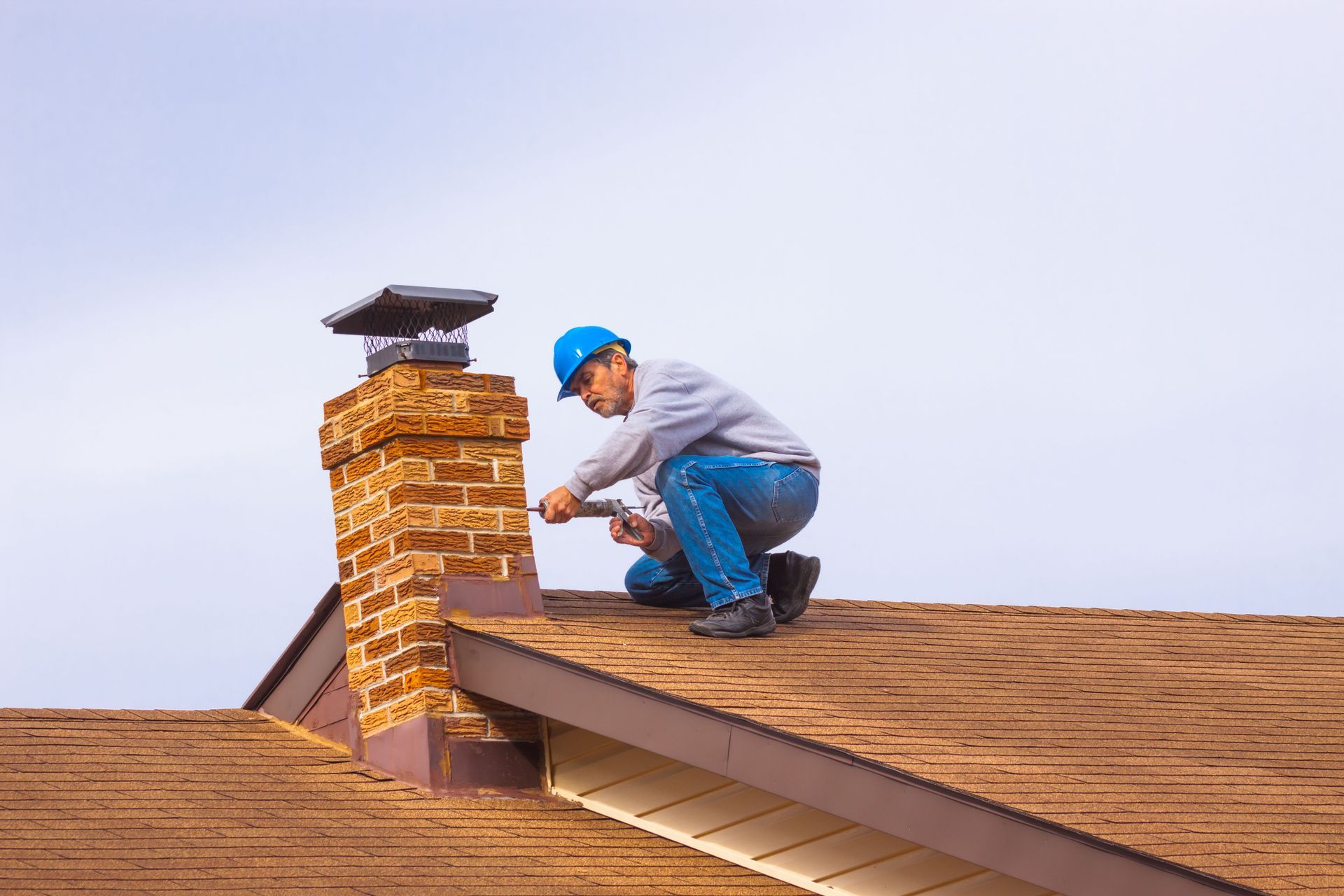
The role of a professional is often underestimated, yet these experts are critical for maintaining the safety and energy efficiency of a modern home. Routine chimney maintenance goes beyond cosmetic cleaning; it includes comprehensive visual inspections designed to catch early signs of trouble. Taking advantage of these preventive services helps homeowners protect their families from severe hazards associated with neglected heating systems. From preventing dangerous creosote accumulation to keeping unwanted wildlife outside, professional care provides significant benefits. Exploring the common issues addressed during routine visits reveals how these experts keep your home secure, warm, and running smoothly.
Recognizing the Dangers of Creosote Accumulation
Creosote is a flammable byproduct of burning wood in your fireplace or stove. This sticky, tar-like substance accumulates on the inside walls as rising smoke cools near the top. Understanding what creosote is helps homeowners appreciate the necessity of hiring a chimney sweep. As these dark layers build up, they turn into a combustible fire hazard that threatens the entire property. Removing this accumulation promptly reduces the immediate risk of property fires. Furthermore, excessive creosote physically obstructs natural airflow, leading to inefficient wood burning and potential smoke damage inside your living spaces.
Removing Dangerous Creosote Safely and Efficiently
Trained professionals use specialized tools and proven techniques to effectively clear stubborn creosote from your heating system. They employ heavy-duty metal brushes, interlocking extension rods, and high-powered industrial vacuums to clean the interior masonry thoroughly. According to HomeGuide, completing a cleaning and visual inspection on a well-maintained system generally takes a chimney sweep one to two hours or less. Their hands-on experience ensures the messy job is done properly, leaving your system in optimal condition. Visual cues like a thick, black residue dripping down the firebox mean you should schedule an inspection soon.
Identifying Initial Signs of Flue Blockages
Internal blockages are a frequent issue stemming from several environmental and structural sources. Accumulated soot, abandoned animal nests, and stray debris often completely obstruct airflow upward. Dry leaves and broken twigs swept in by heavy winds also contribute to these dangerous clogs. You can usually tell a heating system is blocked when smoke fails to exit properly, causing it to spill back into the family room. Identifying early warning signs like a constantly smoking fireplace helps prevent bigger issues. Prompt action ensures your fireplace operates safely during cold months.
Clearing Obstructions to Restore Proper Airflow
Clearing interior blockages quickly prevents severe, life-threatening safety risks to your household. With restricted airflow, harmful combustion gases can easily enter your living spaces and pose severe health hazards. Increased smoke exposure also leaves soot stains on painted walls and upholstered furniture, negatively impacting indoor air quality. A qualified chimney sweep plays an instrumental role in clearing these stubborn blockages and restoring healthy ventilation. Using specialized vacuums and flexible rods, they remove accumulated debris without damaging the fragile interior structure. This professional intervention permanently eliminates obstructions before they lead to costly home repairs.
Understanding What Carbon Monoxide Is and Does
Carbon monoxide is a colorless and odorless gas that poses serious health risks, including fatal accidental poisoning. It naturally occurs as a direct byproduct of incomplete combustion in household heating appliances like fireplaces and wood stoves. High levels of this toxic gas in confined indoor spaces cause physical symptoms like pounding headaches, sudden dizziness, and mental confusion. Recognizing these invisible risks highlights the importance of maintaining a well-functioning system for continuous ventilation. Blocked or cracked masonry can heavily hinder airflow, directly allowing toxic smoke and carbon monoxide to accumulate indoors.
Maintaining Proper Ventilation for Your Health
Maintaining proper ventilation is the absolute key to ensuring all harmful gases are safely expelled from your home. A clear, unobstructed pathway facilitates efficient airflow and removes toxic smoke effortlessly. Damaged interior liners or heavy creosote severely reduce combustion efficiency and vastly increase the likelihood of dangerous gas leaks. Routine maintenance ensures that complex ventilation systems operate exactly as originally intended. Installing modern carbon monoxide detectors offers fantastic additional safety, but professional physical inspections remain your primary line of defense.
Identifying Potential Fire Risk Factors Early
Traditional heating systems present unique fire hazards if they are not properly maintained throughout the colder winter months. The most significant risk factor is sudden creosote accumulation, which ignites easily when exposed to high burning temperatures. Fallen debris, abandoned animal nests, and other physical blockages also create hazardous conditions by allowing glowing embers to escape onto the roof. Identifying these factors early during a routine visual inspection significantly mitigates the overall risk of devastating property fires. Understanding these specific structural vulnerabilities helps mindful homeowners easily implement proactive, daily safety habits.
Practicing Proactive Fire Safety Routines
Implementing smart, consistent fire safety practices is essential for anyone who frequently uses indoor fireplaces or heating stoves. Homeowners should be extremely cautious with the exact type of wood they burn, always opting for fully seasoned, dry hardwoods that naturally produce far less smoke. Avoid dangerously overloading the firebox with fuel, as excessive heat can permanently damage the surrounding masonry and critical metal components. Hiring a chimney sweep to perform regular maintenance acts as a key strategy in preventing unexpected residential fires.
Assessing Common Structural Issues Carefully
Exterior masonry structures are vulnerable to a wide range of harsh environmental and complex structural issues over time. Common problems include rapidly expanding cracks in the exterior brickwork, which quickly lead to severe moisture intrusion and weakened overall stability. Corrosive chemical elements produced from the natural combustion process can also severely damage internal metal flues. Routine chimney sweep inspections are absolutely required to catch these hidden problems early on. Timely detection of loose exterior bricks or deteriorating mortar joints actively prevents more extensive structural damage. Fixing these foundational issues promptly restores reliable functionality.
Waterproofing to Avoid Long-Term Damage
Applying proper chimney waterproofing is a critically important component of exterior home maintenance that heavily contributes to structural longevity. By properly sealing tiny surface penetrations, the fragile masonry is safeguarded against harsh moisture ingress. If left unchecked, subtle water damage slowly compromises the foundational stability of both the heating system and the surrounding interior walls. Specialized repellent treatments protect the exterior brick from brutal freeze-thaw cycles and prevent dangerous new cracks from forming. Scheduling regular concrete repair or thorough brick restoration helps proactive homeowners completely avoid massive reconstruction costs further down the line.
Removing Animal Intrusions Humanely and Safely
Unexpected animal intrusions present surprisingly frequent challenges that require immediate professional attention to resolve properly. Clear signs of unwanted seasonal guests include strange scratching noises, sudden unexplained debris accumulation, and visible dry nests near the top of the flue. Squirrels, local birds, and resourceful raccoons frequently block narrow interior passages while desperately seeking warm shelter during colder winter months. These extremely dry nests are highly flammable and can easily ignite during a standard evening fire. A professional chimney sweep uses strictly humane, approved techniques to completely remove trapped animals and their dangerous nesting materials safely.
Installing Caps to Be Sure Wildlife Stays Outside
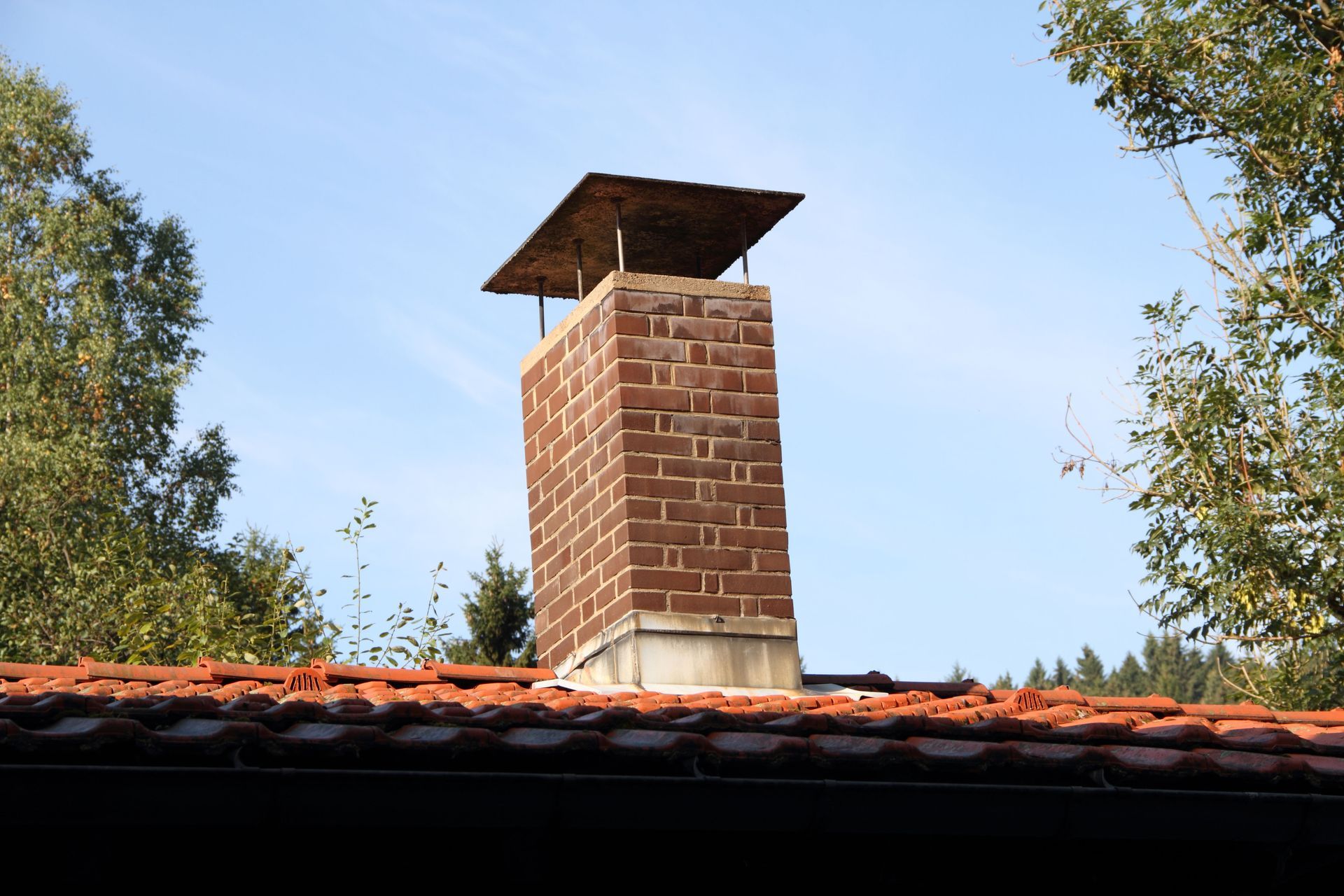
Putting reliable preventative measures securely in place permanently stops local nuisance wildlife from repeatedly returning to your home's roof. Installing perfectly fitted chimney caps covers the main upper opening, effectively keeping wandering animals out while still allowing toxic smoke to escape freely. Highly durable metal screens can be easily fitted simultaneously to further restrict much smaller creatures from accessing dark, warm interior spaces. Actively limiting nearby outdoor food sources and neatly trimming overhanging tree branches also strongly deters hungry pests from settling on your roof.
Consistent, professional maintenance plays an indispensable role in actively preventing a wide variety of serious problems that directly affect household safety. From stopping excessive creosote buildup to fully clearing out stubborn animal intrusions, early professional intervention securely protects homeowners against incredibly serious risks. Scheduling annual thorough assessments can easily save you from costly emergency home repairs and hidden safety hazards. At Davis Brothers Chimney Sweep and Masonry, we proudly provide the comprehensive care your cherished home absolutely needs to operate flawlessly. Our reliable team actively ensures your entire heating system remains clean, perfectly safe, and always ready for heavy use whenever you need it most. By choosing our dedicated services, we consistently help enhance the daily performance and overall longevity of your home’s critical heating features. Book an appointment today and let us fully protect your home all season long.