September 30, 2026
As temperatures plummet and the winter season approaches, ensuring that your living space is warm and safe becomes a priority. A critical part of this preparation involves maintaining the health of your chimney. Routine chimney cleaning helps remove combustible deposits, debris, and other obstructions that could interfere with safe fireplace operation. By understanding common chimney hazards and following practical maintenance practices, homeowners can reduce safety risks, improve heating performance, and prepare their homes for frequent winter use. Keeping the chimney in dependable condition is not simply about comfort; it also supports safety, efficiency, and the long-term condition of the fireplace system.
The Risks of Neglecting Chimney Maintenance
Creosote is a dark, tar-like substance that develops as wood smoke travels through the chimney and cools. Over time, deposits can accumulate along the flue lining, particularly when fires burn at low temperatures or wood contains excessive moisture. Because creosote is combustible, substantial buildup can increase the potential for a chimney fire. According to Smart Service, homeowners should have their chimneys cleaned at least once a year, with more frequent attention potentially necessary when fireplaces are used heavily throughout the winter.
Obstructions can create additional concerns. Leaves, twigs, animal nesting materials, and other debris may restrict the pathway used to vent smoke and combustion gases outdoors. When airflow is limited, smoke may enter living areas rather than move efficiently through the chimney. Scheduling chimney cleaning before the primary burn season provides an opportunity to address deposits and debris before frequent fireplace use begins.
Preventing Chimney Fires and Heat Damage
Chimney fires can expose the flue and surrounding building materials to extremely high temperatures. Even a brief fire may damage liners, mortar joints, masonry, or other components. Some chimney fires are dramatic, while others can occur with less obvious warning. Cracking or deterioration caused by excessive heat may create vulnerabilities that affect future fireplace use.
Preventive maintenance helps reduce these risks by removing combustible material and giving professionals an opportunity to examine accessible chimney components. If cracks, damaged liners, deteriorated masonry, or other concerns are discovered, homeowners can arrange repairs before relying heavily on the fireplace. Addressing small problems early may also prevent them from becoming more extensive and expensive.
Supporting Proper Ventilation and Indoor Safety
A fireplace depends on adequate airflow to support combustion and direct smoke and gases outside. A chimney that is narrowed by soot, creosote, or debris may not draft as effectively as intended. Poor drafting can contribute to smoke entering the room, unpleasant odors, inefficient fires, and potentially hazardous combustion gases remaining inside the home.
Carbon monoxide deserves particular attention because it is colorless and odorless. Properly functioning chimneys help combustion gases leave the building, while carbon monoxide alarms provide another important layer of household protection. Professional chimney cleaning combined with routine inspection can help homeowners identify ventilation concerns before winter fireplace use increases.
Understanding How Creosote Develops
Combustion involves fuel reacting with oxygen and releasing heat, gases, smoke, and water vapor. When wood does not burn completely, smoke contains particles and compounds that can condense against cooler chimney surfaces. These materials gradually contribute to creosote formation. The amount and consistency of the deposits can vary according to fireplace operation, chimney temperature, fuel quality, and airflow.
Burning wet or unseasoned wood can encourage additional smoke and deposit formation because more energy is required to evaporate moisture. Restricted airflow and smoldering fires can create similar conditions. Homeowners can reduce unnecessary accumulation by using properly seasoned firewood, maintaining appropriate airflow, and avoiding extended periods of low-temperature burning.
Protecting the Chimney's Structural Condition
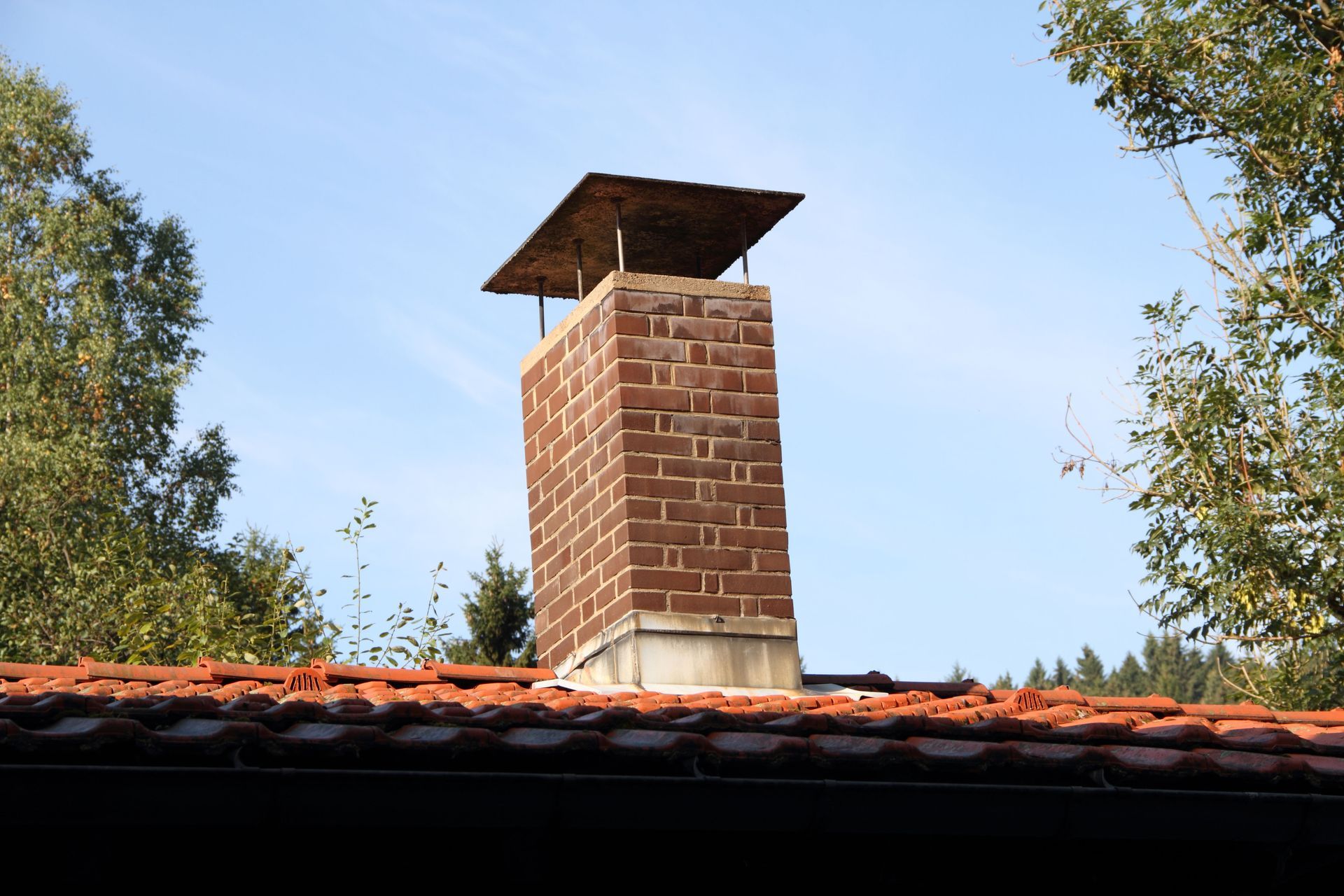
Maintenance involves more than removing soot. Chimneys are exposed to heat, moisture, freezing temperatures, precipitation, and seasonal temperature fluctuations. Masonry joints can deteriorate, flashing can fail, and cracks may develop in liners or exterior materials. Moisture entering these vulnerable areas can worsen deterioration, particularly when repeated freezing and thawing causes expansion.
A maintenance visit can provide an opportunity to observe visible signs of damage before winter weather intensifies. Homeowners should pay attention to loose masonry, damaged chimney caps, water stains near fireplaces, unusual odors, or pieces of tile or masonry appearing in the firebox. Combining chimney cleaning with appropriate inspections creates a more comprehensive approach to preserving the system.
Improving Fireplace Performance and Efficiency
A fireplace performs best when combustion air can enter appropriately and exhaust can leave without unnecessary restriction. Heavy deposits or physical blockages may interfere with draft, making fires more difficult to start or maintain. Poor airflow can also contribute to smoky fires and increased residue formation, creating an ongoing cycle of inefficient combustion and additional deposits.
Keeping the flue clear supports more consistent fireplace operation. Homeowners should also maintain fireplace doors, dampers, screens, and other components according to manufacturer recommendations. Although fireplace efficiency varies considerably depending on design and installation, proper maintenance can help the system operate as intended.
The Value of Professional Chimney Services
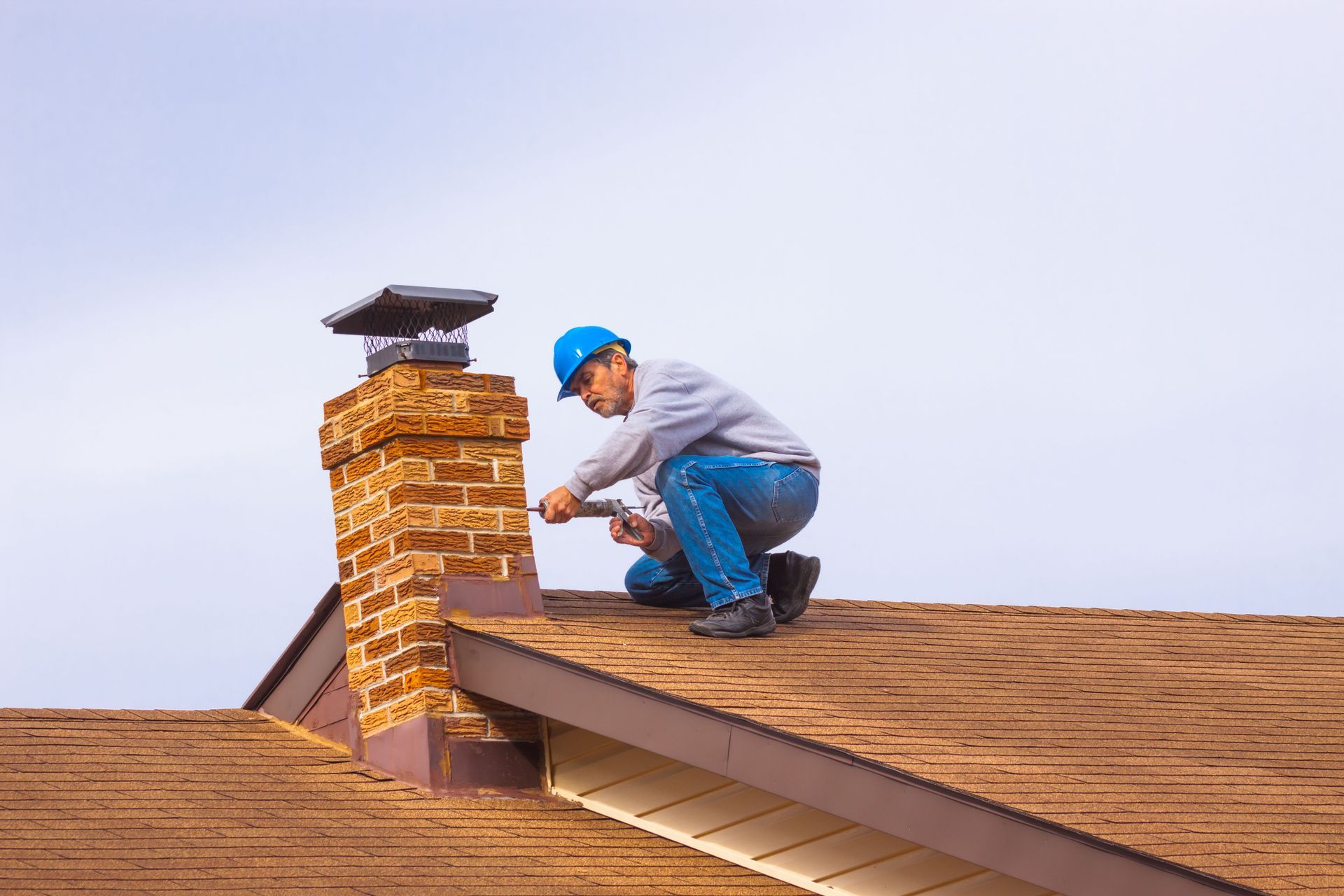
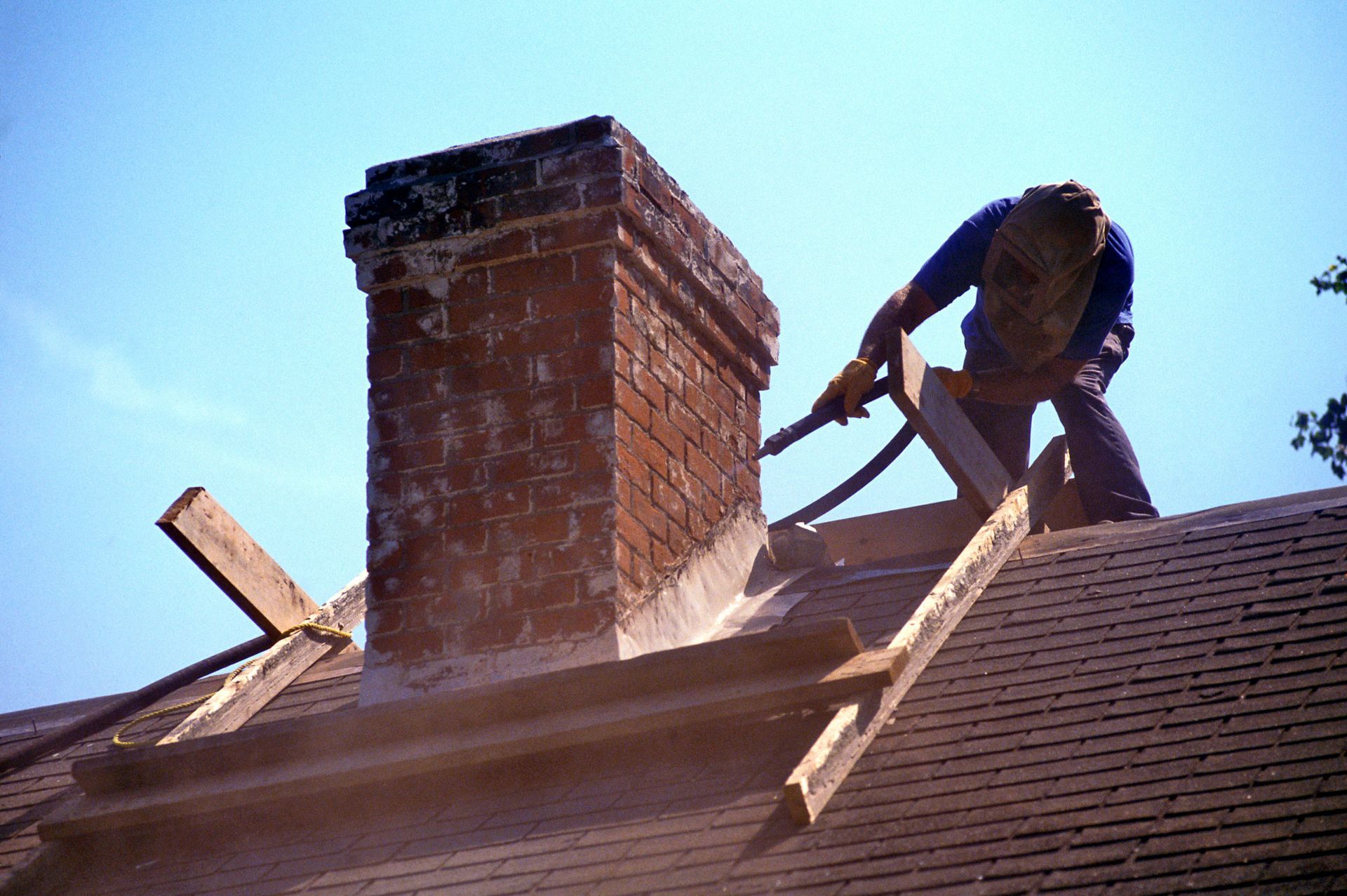
Professional chimney sweeps use specialized brushes, rods, vacuums, protective equipment, and inspection techniques to remove accumulated material while controlling dust and debris. Their experience may also help them recognize conditions that homeowners could overlook, including damaged liners, excessive deposits, moisture problems, improper clearances, or signs of previous chimney fires.
While homeowners can handle basic fireplace housekeeping, working inside a chimney can involve heights, confined areas, soot exposure, and specialized equipment. Professional chimney cleaning can therefore be particularly valuable when deposits are substantial, the system has not been serviced recently, or there are concerns about its condition. Keeping documentation from professional visits may also provide a useful maintenance history for future reference.
Understanding Chimney Inspections
Cleaning and inspection serve related but different purposes. Cleaning primarily removes soot, creosote, and debris, while an inspection evaluates the condition and suitability of accessible chimney components. The extent of an inspection may depend on the circumstances, including routine use, changes to the heating system, property transfers, suspected damage, or unusual operating conditions.
Homeowners should discuss the appropriate inspection level with a qualified chimney professional. If damage is suspected, a more detailed examination may be necessary. Understanding the distinction between cleaning and inspection helps homeowners make more informed maintenance decisions instead of assuming that removing deposits automatically confirms that every component is in good condition.
Following Fire Safety and Local Requirements
Fire safety standards and local building requirements can influence how chimneys and fireplaces should be installed, inspected, repaired, and maintained. Homeowners should familiarize themselves with applicable requirements and consult qualified professionals when modifications or major repairs are needed. Local codes may address matters such as chimney height, clearances, liners, structural components, and approved materials.
Insurance policies may also contain requirements related to fireplaces, wood-burning appliances, or property maintenance. Keeping records of inspections, repairs, and service appointments can provide useful documentation if questions arise. Rather than assuming specific maintenance automatically affects premiums or coverage, homeowners should review their individual policies or contact their insurers for accurate information.
Preparing early can make winter fireplace use more predictable and comfortable. By combining professional maintenance with appropriate fuel choices, functioning safety alarms, routine inspections, and responsible operating habits, homeowners can protect their property and household throughout the burn season. Chimney care should therefore be viewed as an ongoing part of seasonal home maintenance rather than a task reserved for situations in which obvious problems have already developed. Contact our team at Davis Brothers Chimney Sweep and Masonry today and learn more about our chimney cleaning services.