October 1, 2026
As winter fades into memory and warmer days begin, homeowners often face the need for professional care. The harsh winter months take a significant toll on masonry, leading to issues that require timely attention. Understanding these environmental factors helps maintain the structure and ensures the safety of your home heating system. By proactively addressing these common post-winter issues, homeowners can handle necessary chimney repairs efficiently and avoid larger, more costly structural problems down the road. Let us explore the primary reasons why these issues arise and how you can safeguard your home.
Comprehending Freeze-Thaw Cycles and Their Damage
The freeze-thaw cycle is a process where water enters cracks in the masonry, freezes, and expands. This expansion widens the cracks, leading to structural damage over time. Monitoring these cycles mitigates significant damage.
Recognizing How Freeze-Thaw Harms Masonry
Masonry is particularly vulnerable to the effects of these cycles. Freezing water expands and causes internal stress, often leading to spalling where the surface flakes off. Prompt action is critical to maintaining masonry longevity.
Identifying Cracks and Structural Flaws
Cracks are often identified through a visual chimney inspection. Look for visible gaps or bulging areas on the exterior surface, and shine a flashlight inside to reveal hidden decay. Early detection prevents significant problems later.
Evaluating Long-Term Effects of Neglecting Damage
Neglecting freeze-thaw damage leads to severe structural issues. According to HomeGuide, rebuilding a chimney becomes worth considering when repair costs reach 50% or more of the cost of replacement. Proactive upkeep prevents these escalating costs.
Applying Repair Techniques for Freeze-Thaw Damage
Addressing this damage includes repointing and applying weather-resistant sealants. Repointing replaces the mortar between bricks, providing a seamless finish. Quality sealants add an extra layer of protection against moisture infiltration.
Assessing Snow and Ice Impacts on Structures
Snow and ice accumulation poses structural risks to masonry. The weight places undue stress on the structure, causing imbalances. Melting ice increases water exposure and leads to the erosion of materials. Managing this load is crucial.
Mitigating Damage Caused by Ice Dams
Ice dams form when snow melts and refreezes, causing dangerous blockages. This leads to water backing up within the flue and deep moisture infiltration. Over time, moisture exposure causes rusting metal components and severe deterioration.
Preventing Blockages From Debris and Ice
Preventing blockages due to debris and ice is essential. Installing chimney caps prevents entry and reduces ice accumulation inside the flue. Regular chimney sweeping maintains clear passageways for smoke, reducing the need for intensive fixes.
Managing Snow and Ice Build-Up With Care
There are solutions for managing snow and ice build-up properly. Proper insulation prevents rapid heat loss, melting snow at a gradual rate. Using heat cables on the roof can also facilitate the controlled melting of ice.
Executing Maintenance Tips for Reducing Ice Damage
Regular chimney maintenance minimizes the risks of ice damage. Conducting pre-winter evaluations prepares the system for cold weather. Removing excessive snow build-up during winter prevents overloading the roof and ensures unnoticed issues are targeted effectively.
Tracking How Moisture Enters the System
Moisture easily penetrates the system through several hidden avenues. Cracked crowns and faulty flashing are common entry points for water. Understanding these entry points is essential for implementing effective chimney waterproofing solutions that keep out unwanted water.
Spotting Signs of Water Damage Early
Identifying signs of water damage early mitigates the need for extensive work. Discoloration on interior walls and rust on damper components signify heavy water exposure. Attending to these signs promptly prevents subsequent deterioration of the structure.
Understanding Consequences of Untreated Water Damage
Untreated water damage leads to severe structural problems over time. Supporting brickwork might decay, causing destabilization and significant safety hazards. Waterlogged bricks expand with temperature changes, furthering crack development and compromising the entire system.
Implementing Techniques for Waterproofing Systems
Employing waterproofing techniques is crucial for preserving your masonry. Applying a high-quality sealant provides a strong water-resistant barrier. Ensuring the crown is in good condition prevents moisture intrusion from above, sustaining the overall condition of your home.
Conducting Regular Inspections to Prevent Damage
Routine evaluations serve as a cornerstone for preventing water damage. Conducting bi-annual checks helps identify vulnerabilities before substantial harm occurs. Professionals focus on the condition of the crown, flashing, and mortar joints.
Determining Causes of Dangerous Fires
Fires often occur when creosote ignites within the flue. Insufficient cleaning or an excessive buildup of creosote greatly increases the risk of fire incidents. Proper chimney maintenance and responsible wood-burning habits are critical to avoiding such dangerous fires.
Recognizing Signs of an Active Fire
Recognizing the signs of a fire quickly prevents property damage. Hearing loud cracking noises or experiencing strong heat indicates an active problem. External observation of thick smoke encourages immediate action, and damaged flue tiles confirm an incident occurred.
Repairing Damage From Minor Fires
Minor fires necessitate prompt fixes to prevent recurrence. Cleaning out the creosote buildup mitigates future risks. Scheduling chimney repairs to replace damaged flue tiles ensures the safe passage of gases while repointing mortar maintains structural stability.
Adopting Prevention Strategies to Avoid Fires
Fire prevention starts with strategic care and operational practices. Regular sweeping of the flue maintains high efficiency and strict safety standards. Burning seasoned hardwoods reduces creosote deposits significantly. Installing a suitable cap keeps debris out completely.
Prioritizing Professional Inspections Post-Fire
After experiencing a fire, obtaining a professional chimney inspection is critical for safety assurances. Qualified experts assess the integrity of both visible and hidden components to identify structural issues or cracked tiles that could pose future hazards.
Defining the Role of the Liner
The liner is essential for the safe ventilation of combustion byproducts. It protects the surrounding walls from heat and acidic materials produced during fuel burning. Employing effective liners contributes significantly to the overall safety of a heating system.
Analyzing How Winter Conditions Affect Liners
Winter conditions exert substantial pressure on liners due to constant temperature fluctuations. Condensation build-up results in moisture infiltration when temperatures drop, deteriorating liner quality. Intense heat exposure followed by cold can crack and warp various liner materials.
Detecting Liner Damage With Thorough Inspections
Detecting damage in liners involves thorough visual checks and performance evaluations. Look for visible cracks or crumbling along the interior of the flue. Observing abnormal smoke patterns ensures prompt intervention for necessary chimney repairs.
Comparing Liner Materials and Their Durability
Various liner materials offer different performance characteristics and durability. Clay tile is a common choice due to its affordability, though it remains susceptible to cracking. Metal liners provide excellent durability and resistance to heat stress.
Choosing Repair and Replacement Options
For damaged liners, your options depend heavily on the extent of deterioration. Minor cracks often receive a refractory patch for resealing purposes. Severely compromised liners require complete replacement. Timely chimney repairs prevent consequential failures and associated hazards.
Explaining the Purpose of Flashing
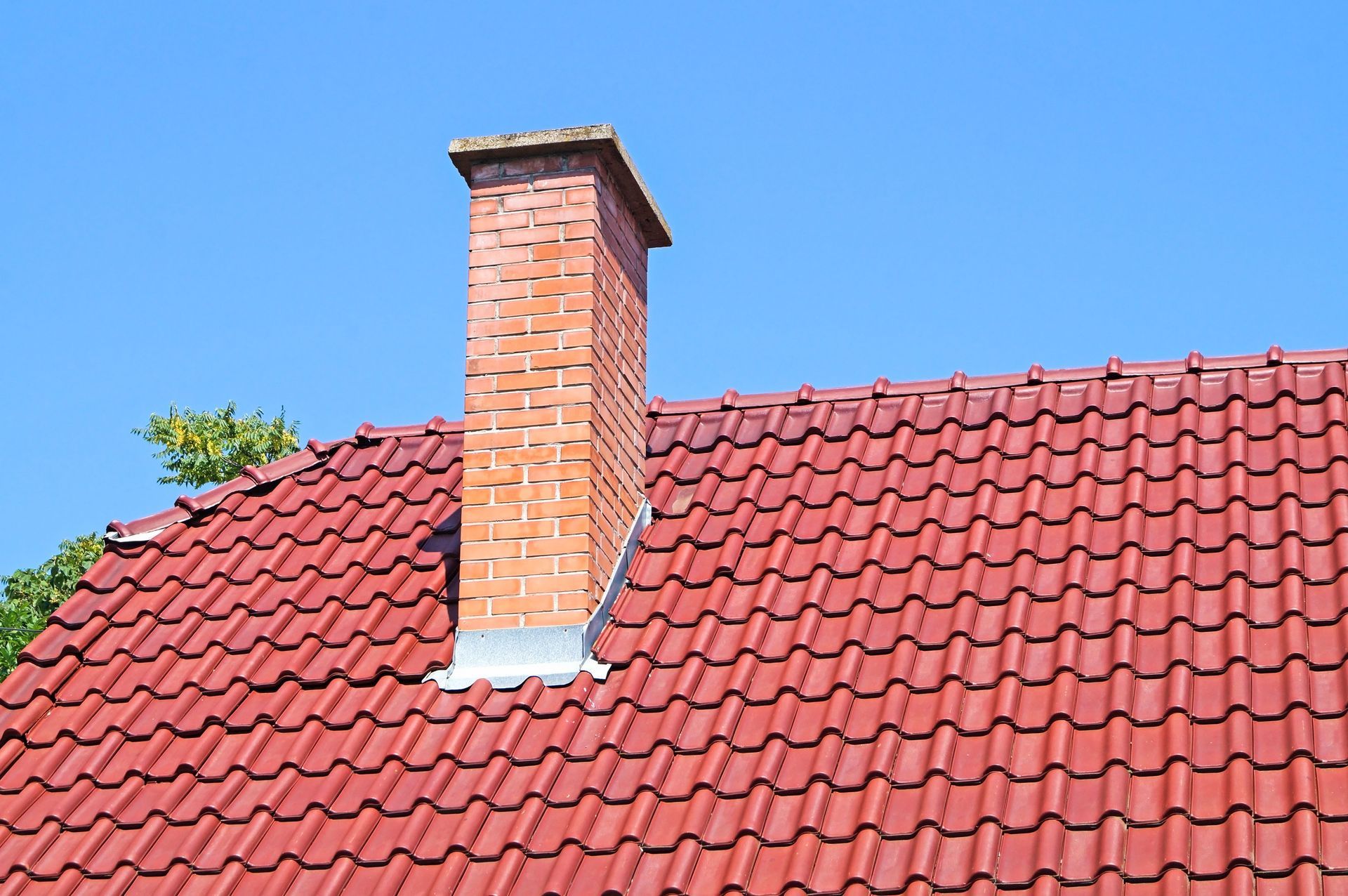
Flashing serves a critical purpose in preventing water intrusion at the junction between the masonry and the roof. Made from materials like aluminum or copper, proper chimney installation ensures no gaps exist that could allow moisture infiltration.
Identifying Wear and Tear on Flashing
Identifying wear and tear on flashing requires an attentive inspection of roofline components. Look for rust, cracks, or missing sections in the flashing material. These regular checks ensure prompt chimney repairs that prevent water damage escalation.
Evaluating Common Materials and Their Lifespan
Different flashing materials offer varying lifespans and performance under environmental stress. Aluminum is durable and cost-effective, although it can corrode if not well maintained. Copper offers superior durability and resistance to many environmental factors.
Performing Repairs and Solutions for Flashing
Damaged flashing necessitates targeted action to prevent water-based threats. Applying waterproof sealant to minor cracks extends the life of the setup if attended to early. For comprehensive damage, comprehensive chimney repairs to replace the entire section become necessary.
As post-winter periods approach, taking preemptive steps to address seasonal wear is a priority for homeowners. The combination of harsh weather conditions and structural vulnerabilities makes it imperative to handle masonry issues promptly. Regular inspections, timely interventions, and careful preventive measures ensure the longevity and safety of your structure. Implementing these precautionary steps protects your home and minimizes the likelihood of expensive future damage. If you need reliable chimney repairs, we are here to help secure your home for the seasons ahead. Contact Davis Brothers Chimney Sweep and Masonry today to schedule your service and restore your peace of mind.