May 26, 2026
Chimney cleaning is a foundational requirement for ensuring the safety, thermal efficiency, and structural longevity of your fireplace or wood stove. A newly installed chimney requires specific attention to establish a reliable maintenance routine that prevents the accumulation of hazardous byproducts. This guide explores the necessary frequency for professional oversight to keep your home protected and warm. Consistent care is not merely about cleanliness; it involves a meticulous evaluation of the structure to identify early signs of wear. The objective of this article is to mitigate hazards that may jeopardize your household while maintaining the chimney's high performance.
Understanding the Importance of Chimney Care
A primary driver for regular chimney cleaning is the removal of creosote, an inevitable byproduct of combustion. These deposits adhere to the flue lining and, if neglected, become highly flammable. The rate at which these deposits form depends on the efficiency of the fireplace and the specific type of wood used. Scheduled cleaning is essential to control this accumulation and minimize fire risks.
Creosote buildup is often exacerbated by restricted airflow or incomplete combustion. When the passage is narrow, the risk of a dangerous chimney fire increases significantly. According to This Old House, a new chimney can last anywhere from 50 to over 100 years with proper maintenance, making it a durable, long-term investment. Viewing this byproduct as a manageable factor rather than an uncontrollable threat allows homeowners to extend the life of their chimney through consistent removal protocols.
Preventing Hazardous Chimney Fires
Beyond managing residue and build-up, professional chimney cleaning is the first line of defense against fires. These incidents can be catastrophic, leading to structural loss and endangering occupants. Most fires originate when high temperatures ignite thick layers of creosote. Regular inspections can identify these potential hazards early, preventing a crisis before it begins. Keeping the flue free of obstructions is critical for maintaining a safe fireplace system.
Professional sweeps also remove flammable debris that may have entered the system from the outside, such as bird nests or dry leaves. Even if creosote levels are low, these foreign materials can ignite and cause severe damage. Thoroughness is essential to ensure both expected and unexpected blockages are cleared. Maintaining a routine schedule serves as a proactive strategy to protect the home from unwelcome incidents.
Ensuring Efficient Ventilation
Clogged flues impede proper ventilation, which is necessary for efficient smoke evacuation. The build-up of soot or foreign objects can cause smoke to billow back into the living space, creating an immediate health hazard. Efficient smoke flow relies on a clear passage. By removing these obstructions, you maintain an optimal draft, which is required for the fireplace to function at peak efficiency.
Proper airflow also supports the complete burning of fuel, which reduces the production of excess soot. A clean system creates a vacuum effect that enhances the quality of the fire, producing more heat with less waste. Regular maintenance also helps in identifying broken dampers or cracks in the lining that could compromise the draft. Sustaining an efficient home heating approach is synonymous with keeping the chimney clear.
Factors Influencing Maintenance Frequency
The specific fuel you burn significantly impacts the frequency of required interventions. Solid fuels like wood and pellets produce more residue than gas or oil systems. The species of wood also matters; softwoods like pine generate more creosote than hardwoods like oak or maple. Burning unseasoned or green wood leads to rapid accumulation, necessitating more frequent professional visits. By selecting properly seasoned hardwood, you can extend the time between cleanings while optimizing safety standards.
Monitoring Frequency of Use
How often you utilize your fireplace is a direct indicator of your maintenance needs. Households that rely on a wood stove for constant winter heating may require biannual inspections. In contrast, a fireplace used sporadically for ambiance might only need an annual checkup. Regardless of use, annual inspections are recommended to account for environmental factors and the natural aging of the structure. A deliberate approach to scheduling ensures that the system remains functional without unnecessary maintenance costs.
Considering Age and Structure
The age and design of your chimney also dictate how often it should be evaluated. Older masonry systems may exhibit wear that makes them more prone to residue accumulation or structural vulnerabilities. Modern prefabricated metal chimneys have distinct maintenance needs based on their material longevity. Early preventative initiatives on newer systems contribute significantly to their structural life and operational efficiency. By understanding the specific needs of your chimney's design, you can develop a better long-term chimney cleaning strategy.
Adjusting for Local Climate
Regional environmental conditions can influence chimney performance. Areas with heavy rainfall may experience increased moisture ingress, which can lead to damp residue or mold formation. Wind-prone regions might see more debris deposited within the chimney cap. Local climate dictates essential adjustments in your maintenance planning to preserve the structure's integrity over time. Strategic planning ensures that your system is prepared for seasonal fluctuations.
Identifying Signs That Cleaning Is Required
Visible soot or creosote is an immediate indicator that a professional sweep is needed. This buildup often appears as black, tar-like deposits clinging to the flue interior. These restricted passages elevate the risk of ignition and should be addressed promptly. Regular visual checks help you manage the scale of buildup before it escalates into a broader complication.
Detecting Poor Ventilation
If smoke struggles to exit the chimney and lingers in the room, the flue is likely overdue for attention. This usually indicates a blockage that is interfering with the natural draft. Improper venting raises the risk of toxic gases, such as carbon monoxide, circulating indoors. Immediate action is required to clear the obstruction and restore safe venting conditions, preserving the health of everyone in the home.
Noticing Unusual Odors
A strong, acrid smell coming from the fireplace, especially when it is not in use, often points to a heavy accumulation of creosote. High humidity can worsen these odors, making them more noticeable during the summer months. These smells are not just unpleasant; they are a sign that flammable materials are coating the interior of your system. Professional chimney cleaning removes the source of the odor and improves the overall air quality in your home.
Protecting Your Long-Term Investment
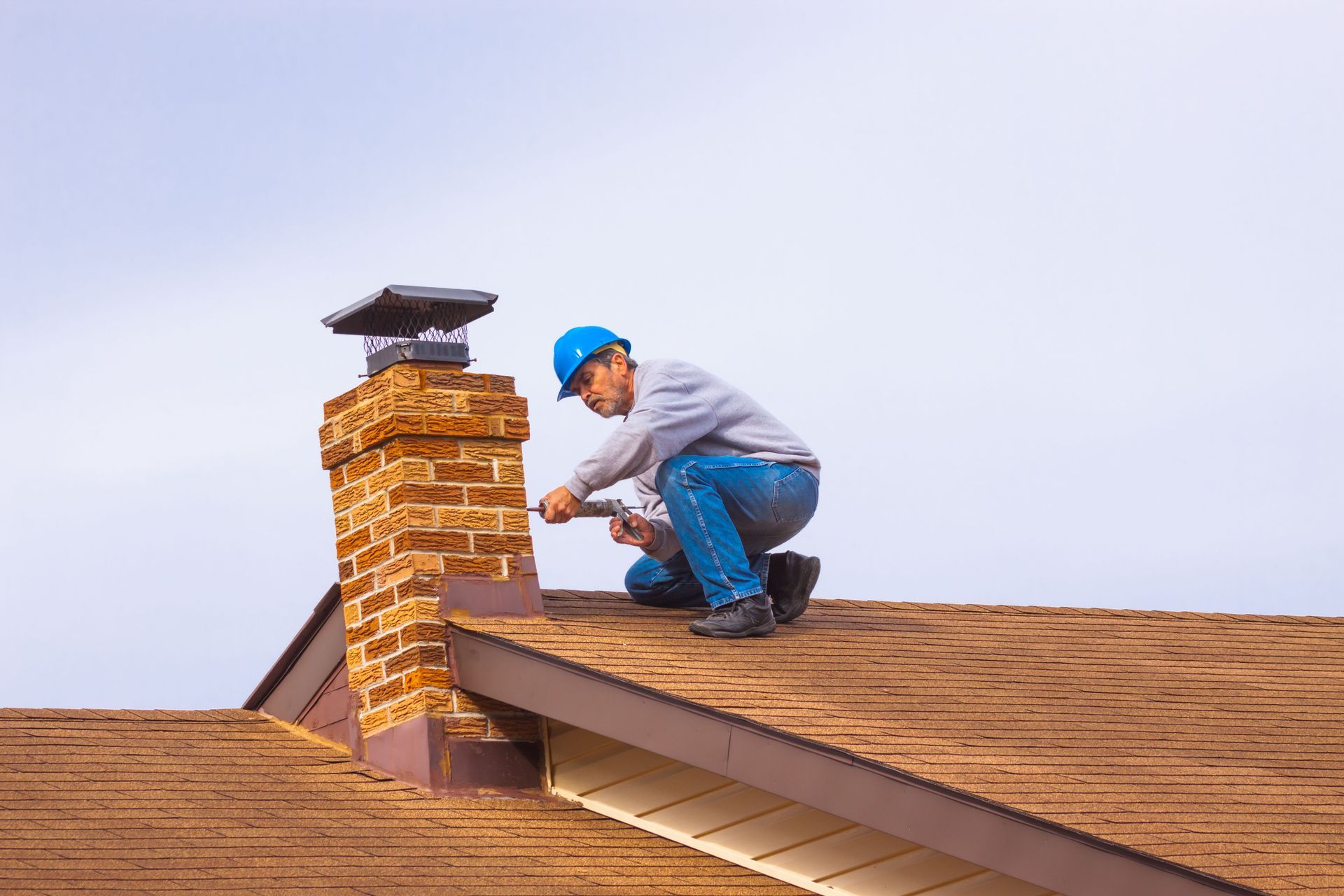
Regular professional chimney cleaning is the most effective way to safeguard the structural integrity of your chimney. During the cleaning process, experts can identify cracks, masonry erosion, or leaks in the flue that could lead to water infiltration. Catching these issues early prevents them from developing into significant, expensive repairs. Professional sweeps also ensure that the exterior masonry remains bonded correctly, preventing loose bricks from falling and creating a safety hazard. This vigilant approach to maintenance preserves the home's value while providing the peace of mind that comes with a secure hearth.
Davis Brothers Chimney Sweep and Masonry provides the technical expertise required to keep your heating system in peak condition. We offer a comprehensive suite of chimney services, including chimney inspection, sweeping, and repair. Our team also handles chimney rebuilding, installation, and waterproofing to ensure your structure remains resilient against the elements. To ensure the safety of your home, contact Davis Brothers Chimney Sweep and Masonry today for professional chimney cleaning and keep your fireplace operating efficiently for years to come.